


RHUS TOX
Homeopathy



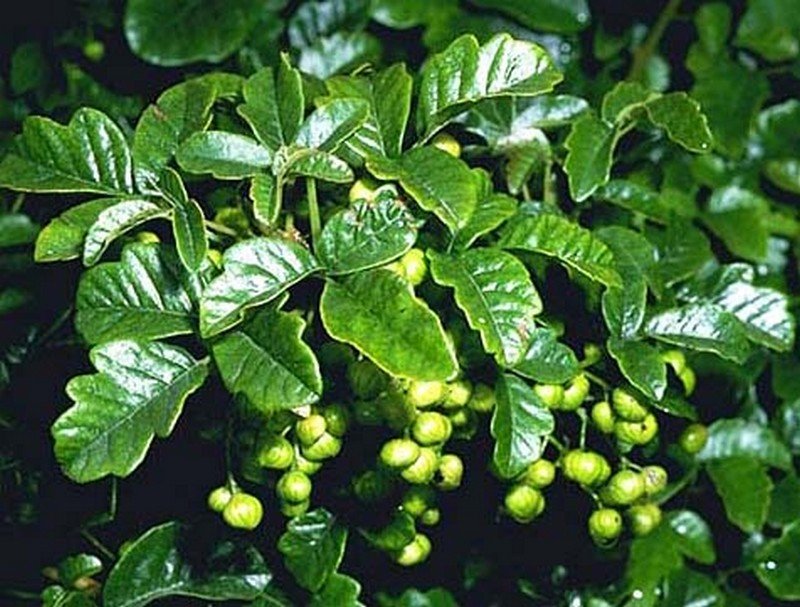
RHUS TOX
Rhus toxicodendron
Poison ivy, poison oak.
Key Uses:
Origin : Found widely in North America.
Background : Native Americans used this plant to treat skin eruptions and nervous paralysis. Contact with its leaves produces redness, swelling, and blistering.
Preparation : The fresh leaves, gathered at sunset just before the plant comes into flower, are macerated in alcohol.
Remedy Profile : Rhus tox. is particularly beneficial to people who are usually lively but shy, but restless and agitated when ill. Children who respond to the remedy tend to be overactive, restless, irritable, and malicious. If illness becomes chronic in these people, they may become fixed in their ways. Rhus tox. is known primarily as a remedy for skin and joint disorders. It may be helpful for skin eruptions with blisters, followed by burning, red, swollen skin that tends to scale and flake off. Skin conditions such as chicken pox, shingles, herpes, eczema, rosacea, and diaper rash may all respond to the remedy. Musculoskeletal problems are another focus of Rhus tox. It is used for acute rheumatic or arthritic pain, sciatica, restless legs, cramps, sprains, and strains.
RHODODENDRON CHRYSANTHUM (Siberian rhododendron)
162
Symptoms Better : For heat; for warm, dry weather; for hot baths; for continued movement; for nosebleeds.
Symptoms Worse : For cold; in winter; for being chilled; for damp conditions; before storms; on beginning to move; during sleep.

 SALICYLIC AC
 COMOCLADIA
 ORIGANUM
 BUFO
BUFO MAG MUR
 RHUS TOX
 CAMPHORA
 COPAIVA
 ECHINACEA
 AMBROSIA
 MERC CORR
 SENECIO
 More ...
 Test your English Language
  Valentines Gift Ideas For Her
 Awesome Looking White Animals
 Quick Content Marketing Tips
 Harivanshrai Bachchan Narendra Modi
 What to Eat in Uttar Pradesh
 What to Eat in Tripura
 Benefits of Star Anise
 Best Tourist Spots in the World
 Benefits of Nectarine Best Marwari Mehndi Designs
 The Most Romantic Train Journeys Spectacular Hiking Trails Around The World
 What to Eat in Uttara khand Rules to play Kayaking
 Precautions while using Facebook Precautions while using Garden Tools
 Precautions while using Induction Cooker