Healthy Back
11. Sleeping position

If youre prone to back pain, talk with your doctor about the best sleeping position. Sleeping on your side with your knees pulled up slightly toward your chest is sometimes suggested. Prefer to sleep on your back? Put one pillow under your knees and another under your lower back. Sleeping on your stomach can be especially hard on your back. If you cant sleep any other way, place a pillow under your hips.
12. Pay attention to your posture

The best chair for preventing back pain is one with a straight back or low back support. Keep your knees a bit higher than your hips while seated. Prop your feet on a stool if you need to. If you must stand for a prolonged period, keep your head up and your stomach pulled in. If possible, rest one foot on a stool and switch feet every five to 15 minutes.
13. Be careful how you lift
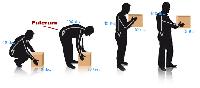
Dont bend over from the waist to lift heavy objects. Bend your knees and squat, pulling in your stomach muscles and holding the object close to your body as you stand up. Dont twist your body while lifting. If you can, push rather than pull heavy objects. Pushing is easier on the back.
14. Avoid high heels
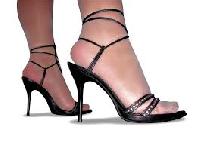
They can shift your center of gravity and strain your lower back. Stick to a one inch heel. If you have to go higher, bring along a pair of low heeled shoes and slip into them if you become uncomfortable.
15. Lighten your wallet

Sitting on an overstuffed wallet may cause discomfort and back pain. If youre going to be sitting for a prolonged period while driving, for example, take your wallet out of your back pocket.
16. Pick the right handbag or briefcase
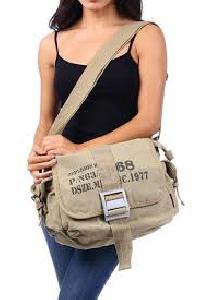
Buy a bag or briefcase with a wide, adjustable strap thats long enough to reach over your head. A messenger bag (like the ones bike messengers wear) is made to wear this way. Having the strap on the opposite shoulder of the bag distributes the weight more evenly and helps keep your shoulders even and your back pain free. When carrying a heavy bag or case without straps, switch hands frequently to avoid putting all the stress on one side of the body. To lighten the load, periodically purge bags, cases, backpacks, and other carriers of things you dont need.
17. Forget about back braces
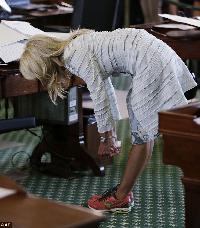
Various back supports are available, from elastic bands to special corsets. They can be helpful after certain kinds of surgery, but there is not much evidence that they help treat chronic back pain.
18. Get an accurate clinical diagnosis
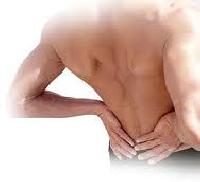
A clinical diagnosis should rule out the possibility of rare but serious conditions (such as a tumor), categorize your condition, and determine if there are neurological deficits (nerve damage). It is based on a combination of the doctors findings on your diagnostic tests, your physical exam and symptoms, and is essential to determine appropriate treatment options for your back pain or neck pain. See Getting an Accurate Back Pain Diagnosis.
19. Dont smoke
People who smoke are more likely to have lower back pain and over 80% more likely to develop degenerative disc disease than non smokers. Zyban is one medication available to help quit smoking. Read more at Does Smoking Cause Low Back Pain? and Anti Smoking Medications.
20. Exercise properly
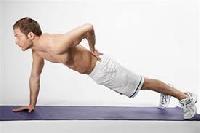
Exercise provides the double benefit of helping your back heal more quickly and helping prevent a recurrence of the back pain. A focused exercise program is a critical part of almost any back pain treatment, and should include a combination of stretching, strengthening and low impact aerobic exercise. Exercise is important to continue even after you feel better to prevent future bouts of back pain. Read more with Physical Therapy Benefits For Back Pain.