


STICTA
Homeopathy



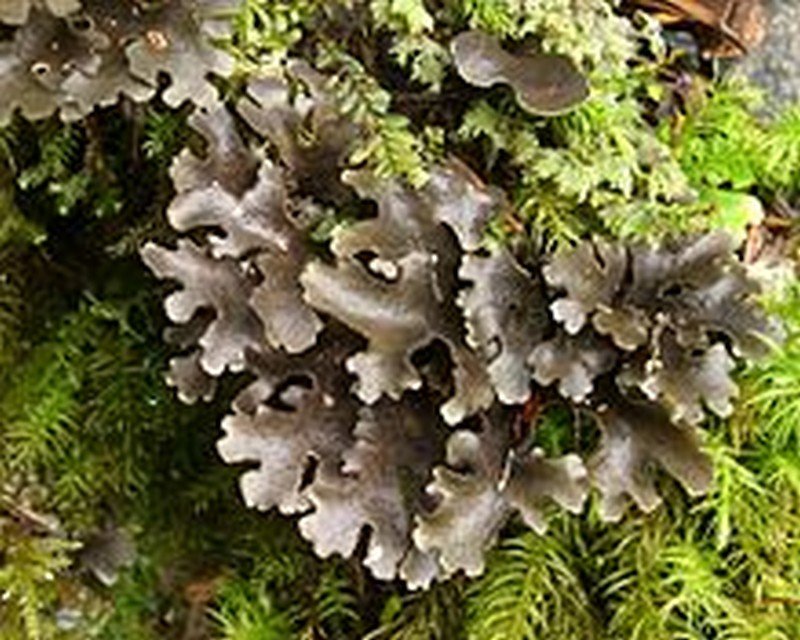
STICTA
Lobaria pulmonaria
Tree lungwort.
Key Uses:
Origin : Found throughout Europe.
Background : This lichen has been used in Europe for thousands of years to treat conditions such as chronic respiratory catarrh, bronchitis, and coughs.
Preparation : The whole, dried lichen is macerated in alcohol.
Remedy Profile : Sticta is most effective for lively people who tend to be loquacious, and who may feel as if they are floating on air. They may experience sleeplessness or confusion. Sticta is most appropriate for respiratory problems associated with hay fever or other allergic reactions, influenza, or bronchitis. There may be repeated sneezing, which tends to become worse at night, then dries suddenly. Sticta may also be used for pneumonia, and for chronic catarrh that is difficult to expel and causes stuffiness, a dull, heavy feeling in the head, and a dry, tickly throat.
Symptoms Better : For open air; for expelling catarrh or mucus.
Symptoms Worse : At night; for changes in temperature; for lying down; for movement.

 GELSEMIUM
 VIBURNUM
 SENEGA
 FRAXINUS
 BUFO
 SPIGELIA
 EQUISETUM
 ALFALFA
 VISCUM ALB
 CAMPHORA
 LUPULUS
 SABINA
More ...
 Test your English Language
 Tips to get ready for Long Drive
 Shoes Runners Want For Christmas
 Most Stylish Athletes
 Table Etiquettes Rules to play Arm Wrestling
 Tips to get ready for Winter
 Benefits of Ginger
 Myth about Acne Rules to play Squash Yoga Basics
 Hanuman Rules to play Rowing Forever Young Naturally Lifestyle Play Chess
 Major Wars Of 20th Century Rules to play Dominoes Rules to Play Down Hill Skiing Rules to play Equestrianism