Healthy Blood
21. Lose excess weight

Theres no getting around the fact that blood pressure goes up as the pounds pile on. Being overweight increases your risk for heart disease and diabetes, too. Losing even 10 pounds can start to make your blood pressure go back down.
22. Spice It Up
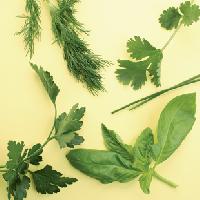
To prevent hypertension and boost flavor, cut back on sodium by using more herbs, spices and salt-free seasoning blends when cooking. Not sure where to start? Add lemon juice or vinegar to homemade tomato sauce; the acidity will impart a sensation similar to salt. Or, experiment with herbes de Provence or fines herbestwo sodium-free French spice blendswhen cooking meat, poultry or your tomato sauce.
23. Live a healthy lifestyle

Keeping a healthy blood pressure is key to keeping your kidneys healthy. You can also help protect your kidneys by following other healthy habits.
24. Avoid tobacco

Using tobacco (smoking or chewing) puts you more at risk for high blood pressure, kidney disease and many other health problems. If you already have kidney disease, using tobacco can make it get worse faster. If you use tobacco, quitting can help lower your chances of getting kidney disease or help slow the disease down if you already have it.
25. Limit alcohol

Drinking alcohol in large amounts can cause your blood pressure to rise. Limiting how much alcohol you drink can help you keep a healthy blood pressure. Have no more than two drinks per day if youre a man and no more than one drink per day if youre a woman.
26. Take medicines as directed

To help protect your kidneys, take medicines as directed.Some medicines may help you manage conditions that can damage your kidneys, like diabetes or high blood pressure. Ask your doctor how to take any medicines he or she prescribes. Make sure to take the medicines just how your doctor tells you. This may mean taking some medicines, like blood pressure medicines, even when you feel fine.Other medicines can harm your kidneys if you take them too much. For example, even over-the-counter pain medicines can damage your kidneys over time. Follow the label directions for any medicines you take. Share with your doctor a list of all of your medicines (even over-the-counter medicines and vitamins) to help make sure that you are not taking anything that may harm your kidneys.
27. Control your cholesterol

Having high cholesterol, especially if you have diabetes, puts you more at risk for kidney disease, heart disease and stroke. It can also cause diabetic kidney disease to get worse faster.Your triglycerides are also important. People with high triglycerides are more at risk for kidney disease, heart disease and stroke. For most people, a healthy triglyceride level is less than 150. If your total cholesterol, LDL or triglycerides are high, or if your HDL is low, talk to your doctor. Your doctor may suggest exercise, diet changes or medicines to help you get to a healthy cholesterol level.
28. Be physically active

Exercise can help you stay healthy. To get the most benefit, exercise for at least 30 minutes, 5 days of the week. If that seems like too much, start out slow and work your way up. Look for fun activities that you enjoy. Try walking with a friend, dancing, swimming or playing a sport. Adding just a little more activity to your routine can help. Exercise can also help relieve stress, another common cause of high blood pressure.
29. Curb Added Sugars with No Calorie Drinks

Iced tea, fruit punch, sports drinks, energy drinks they might sound like healthy, thirst-quenching choices, but most are far from it. Research shows that American adults consume an average of 22 teaspoons of added sugars a day (about 15 percent of daily calories!). Thats no surprise; a 20-ounce bottle of regular soda contains 15 teaspoons of added sugars. These teaspoons arent just coming from regular soda loads of added sugars lurk inside many beverages such as sweetened iced tea and fruit punch. With few calories to spare, why waste them on added sugars that offer you no nutrition.
30. Portion Control Please
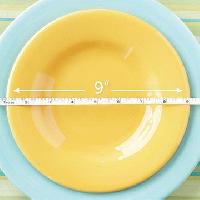
One surefire way to cut calories and be able to tighten your belt is to control your portions. In translation, this means to continue to eat most of the foods you enjoy just a bit less of some, such as meats (protein), fats and oils, and desserts and sweets. Fill your plate with more fruits and vegetables. The Science Research shows that people dont follow rigid diets or meal plans for long. Deprivation doesnt work! Plus, as shown in the National Institutes of Health-funded POUNDS LOST weight loss study, even when people tried to dramatically change their diets, over time they gravitated back to their usual ways of eating, including cultural foods and eating habits.