Ayurvedic Medicine
31. Dhattura
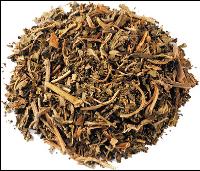
White thorn apple (E), Datura (H):
Dhattura is steeped in legend. The sublimely enticing flowers draw you towards them. It has psychotropic qualities that give it a mythical character. Ayurvedically the leaves are a potent remedy for diffusing the lungs and circulating pra-n. a.
Lungs Dhattura leaves are a powerful remedy for dilating the bronchioles of the lungs. They are antispasmodic and can swiftly relieve wheezing and tightness of the chest. It is used as a drying remedy to counteract mucus and congestion in the lungs when avalambaka kapha has accumulated. Fevers As this remedy moves upwards and outwards it can help to induce diaphoresis and therefore break a fever.
Dhattura is steeped in legend. The sublimely enticing flowers draw you towards them. It has psychotropic qualities that give it a mythical character. Ayurvedically the leaves are a potent remedy for diffusing the lungs and circulating pra-n. a.
Lungs Dhattura leaves are a powerful remedy for dilating the bronchioles of the lungs. They are antispasmodic and can swiftly relieve wheezing and tightness of the chest. It is used as a drying remedy to counteract mucus and congestion in the lungs when avalambaka kapha has accumulated. Fevers As this remedy moves upwards and outwards it can help to induce diaphoresis and therefore break a fever.
32. Ephedra
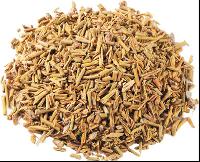
Ephedra (E):
Ephedra is a dry, stalky plant that favours dry, barren land, and is specific for cold, wet, damp lung and circulatory conditions. It is invaluable for acute asthma and allergic respiratory attacks with kapha and cold symptoms. Somalata means the 'soma creeper' referring to 'soma' the divine plant that induced transcendental states. Although Ephedra spp. have been associated with soma this is not confirmed and ephedra is not a creeper.
Lungs Colds with high kapha, and allergies from cold and damp; hayfever, acute rhinitis, asthma, wheezing. As an antiallergenic herb it prevents the release of histamine from mast cells but should only be used when there is a cold component. Its superb bronchodilatory action directly relaxes the muscles around the lungs and eases shortness of breath Circulation Cold extremities and arthritis with high s´lesaka kapha and swollen joints. Its vasodilating properties relax the skin and this helps to expel cold while its diuretic properties drain any swelling and oedema.
Ephedra is a dry, stalky plant that favours dry, barren land, and is specific for cold, wet, damp lung and circulatory conditions. It is invaluable for acute asthma and allergic respiratory attacks with kapha and cold symptoms. Somalata means the 'soma creeper' referring to 'soma' the divine plant that induced transcendental states. Although Ephedra spp. have been associated with soma this is not confirmed and ephedra is not a creeper.
Lungs Colds with high kapha, and allergies from cold and damp; hayfever, acute rhinitis, asthma, wheezing. As an antiallergenic herb it prevents the release of histamine from mast cells but should only be used when there is a cold component. Its superb bronchodilatory action directly relaxes the muscles around the lungs and eases shortness of breath Circulation Cold extremities and arthritis with high s´lesaka kapha and swollen joints. Its vasodilating properties relax the skin and this helps to expel cold while its diuretic properties drain any swelling and oedema.
33. Fennel
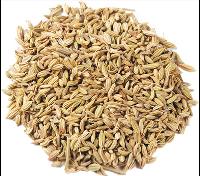
Fennel (E), Sounf (H):
Its name shatapushpa means 'one hundred flowers'. Its other name Madhurika- means 'the sweet one'. This is another member of the Umbelliferae family that aromatically warms digestion. Like its flower head it spreads and moves outwards, thus preventing congestion and stagnation in the centre.
Digestion Digestive discomfort; flatulence, borborygmus, cramps, nausea and low agni. Although a heating herb, it benefits digestion without aggravating pitta. In fact its sweet post-digestive action leaves a residual cooling effect. A specific herb for inguinal hernias and lower abdominal pain. It relaxes the smooth muscles and is a specific herb for lower abdominal pain from lower bowel tension. Fennel water is used for colic in babies. Urinary Cystitis, difficult urination, burning and dark yellow urine, cloudy urine. Its diuretic properties clear pitta from mutravahasrotas. Nerves Use fennel when nervous tension in mamsa dhatu and contraction in the smooth muscle system restricts the flow of vata. All spasms are relieved by fennel, especially in the GIT, lungs and uterus. Its nourishing effect on majja dhatu tonifies the brain and nervous system. Lungs Useful in vata–kapha obstruction type cough. Helps to clear phlegm by reducing aggravated avalambaka kapha that congests the alveoli and bronchioles. Gynaecology Its specific effect on rasadhatu can increase the flow of milk in lactating mothers. Useful in menstrual difficulty caused by vata and kapha obstruction in the lower abdomen with pain, cramps and a dragging sensation.
Its name shatapushpa means 'one hundred flowers'. Its other name Madhurika- means 'the sweet one'. This is another member of the Umbelliferae family that aromatically warms digestion. Like its flower head it spreads and moves outwards, thus preventing congestion and stagnation in the centre.
Digestion Digestive discomfort; flatulence, borborygmus, cramps, nausea and low agni. Although a heating herb, it benefits digestion without aggravating pitta. In fact its sweet post-digestive action leaves a residual cooling effect. A specific herb for inguinal hernias and lower abdominal pain. It relaxes the smooth muscles and is a specific herb for lower abdominal pain from lower bowel tension. Fennel water is used for colic in babies. Urinary Cystitis, difficult urination, burning and dark yellow urine, cloudy urine. Its diuretic properties clear pitta from mutravahasrotas. Nerves Use fennel when nervous tension in mamsa dhatu and contraction in the smooth muscle system restricts the flow of vata. All spasms are relieved by fennel, especially in the GIT, lungs and uterus. Its nourishing effect on majja dhatu tonifies the brain and nervous system. Lungs Useful in vata–kapha obstruction type cough. Helps to clear phlegm by reducing aggravated avalambaka kapha that congests the alveoli and bronchioles. Gynaecology Its specific effect on rasadhatu can increase the flow of milk in lactating mothers. Useful in menstrual difficulty caused by vata and kapha obstruction in the lower abdomen with pain, cramps and a dragging sensation.
34. Fenugreek
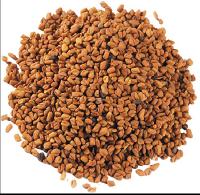
Fenugreek (E), Methi (H):
Fenugreek is a very warming seed that benefits kapha and va-ta. It is used to treat constipation, high cholesterol, diabetes and obesity. Its smell is very pungent, and it is a nourishing seed.
Diabetes Its beneficial effect on the water channels (ambuvahasrotas) and the urinary system (mutravahasrotas) indicate its use in diabetes. It can help to clear some of the fatty deposits that accumulate in the channels that should be nourishing to the pancreas. It helps to balance sugar levels in both types 1 and 2 diabetes. The active components are found in the trigonelline and coumarin content. Clinically effective trials have used 50g per day of the defatted seeds. Cholesterol Its direct action on medovahasrotas makes it useful as part of a formula to reduce cholesterol. Use 10–20g per day to reduce low-density lipoprotein (LDL) cholesterol levels. Digestion It is an invaluable remedy to treat sluggish and gaseous digestion from impaired kapha and vata. It can benefit diarrhoea and inflammation in the intestines. Its high mucilage content acts as a soothing demulcent that can heal ulcers and also increase the bulk of the stool; it is a useful mild laxative. Its bitter quality helps the liver function and improves assimilation of nutrients . Gynaecology Fenugreek seed has a particular affinity for the uterus and female reproductive system as a whole. Its saponin containing phyto-oestrogen precursor, diosgenin, plays an important role in female health. It is taken post-partum to encourage bowel movements and clean the uterus. Its nourishing effect on rasa dhatu also helps to encourage a healthy flow of breast milk. If there is dysmenorrhoea its warming effect and stagnation reducing properties are beneficial. Reproduction Used in formulas to treat impotence, premature ejaculation and low libido. Its heating energetics stimulate the reproductive system, while its unctuousness and sweet nature nourish s´ukra dhatu. Pain As a superb remedy to settle vata it is indicated in lower back problems, sciatica and arthritis with swelling and pain. A notable diagnostic clue is the sensation of cold on the back and thighs. Its ability to strengthen asthi dhatu indicates its use in osteoporosis, back pain, structural weaknesses and hair loss. External A poultice made from the powder is very useful for drawing infections, boils, splinters and arthritic swelling from the body.
Fenugreek is a very warming seed that benefits kapha and va-ta. It is used to treat constipation, high cholesterol, diabetes and obesity. Its smell is very pungent, and it is a nourishing seed.
Diabetes Its beneficial effect on the water channels (ambuvahasrotas) and the urinary system (mutravahasrotas) indicate its use in diabetes. It can help to clear some of the fatty deposits that accumulate in the channels that should be nourishing to the pancreas. It helps to balance sugar levels in both types 1 and 2 diabetes. The active components are found in the trigonelline and coumarin content. Clinically effective trials have used 50g per day of the defatted seeds. Cholesterol Its direct action on medovahasrotas makes it useful as part of a formula to reduce cholesterol. Use 10–20g per day to reduce low-density lipoprotein (LDL) cholesterol levels. Digestion It is an invaluable remedy to treat sluggish and gaseous digestion from impaired kapha and vata. It can benefit diarrhoea and inflammation in the intestines. Its high mucilage content acts as a soothing demulcent that can heal ulcers and also increase the bulk of the stool; it is a useful mild laxative. Its bitter quality helps the liver function and improves assimilation of nutrients . Gynaecology Fenugreek seed has a particular affinity for the uterus and female reproductive system as a whole. Its saponin containing phyto-oestrogen precursor, diosgenin, plays an important role in female health. It is taken post-partum to encourage bowel movements and clean the uterus. Its nourishing effect on rasa dhatu also helps to encourage a healthy flow of breast milk. If there is dysmenorrhoea its warming effect and stagnation reducing properties are beneficial. Reproduction Used in formulas to treat impotence, premature ejaculation and low libido. Its heating energetics stimulate the reproductive system, while its unctuousness and sweet nature nourish s´ukra dhatu. Pain As a superb remedy to settle vata it is indicated in lower back problems, sciatica and arthritis with swelling and pain. A notable diagnostic clue is the sensation of cold on the back and thighs. Its ability to strengthen asthi dhatu indicates its use in osteoporosis, back pain, structural weaknesses and hair loss. External A poultice made from the powder is very useful for drawing infections, boils, splinters and arthritic swelling from the body.
35. Frankincense (Indian)
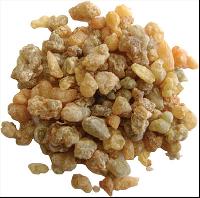
Frankincense (E), Indian oli–banum (E), Salai guggul (H):
Frankincense has dual energetics of being both heating and cooling. It is heating due to its blood circulating property and cooling due to its anti-inflammatory action. Frankincense has had a long-term connection with the spiritual realm and religious ceremony. It is also used in psychiatric and mental conditions.
Pain All types of pain, specifically arthritic or post-trauma where there is inflammation and congestion. Energetically applied to cold and damp types of pain and swelling. It circulates vyana vayu and clears toxic ama; this effectively clears blockage of the channels (srotorodha). Used to hasten the healing of wounds, broken bones and bruises via its blood-circulating and granulation- enhancing actions. Inflammation Useful in inflammatory diseases, especially of the joints, lungs, GIT and skin, and is a specific for osteo- and rheumatoid arthritis, asthma, bronchitis, colitis, Crohn's disease and psoriasis where there is chronic kapha or ama involvement causing obstruction and stagnation in any of the channels or tissues. Consider frankincense instead of non-steroidal antiinflammatory drugs (NSAIDs). This action is the result of the boswellic acid reducing the activity of pain and inflammation causing leukotrienes by inhibiting the production of the 5-lipoxygenase enzyme. Gynaecology Excels in the treatment of fibroids, cysts, painful periods with clots and pain caused by congestion in apanaksetra and the uterus. Reproduction Specific herb for impotence and sexual debility; it brings blood to the penis and therefore facilitates erectile function. Cholesterol Reduces LDL count in the blood. Clears ama from the blood. Mental Opens the mind. Said to have a specific effect on ajn˜ a cakra, the spiritual centre connected with the pituitary and hypothalamus gland. The essential oil is especially appropriate for this.
Frankincense has dual energetics of being both heating and cooling. It is heating due to its blood circulating property and cooling due to its anti-inflammatory action. Frankincense has had a long-term connection with the spiritual realm and religious ceremony. It is also used in psychiatric and mental conditions.
Pain All types of pain, specifically arthritic or post-trauma where there is inflammation and congestion. Energetically applied to cold and damp types of pain and swelling. It circulates vyana vayu and clears toxic ama; this effectively clears blockage of the channels (srotorodha). Used to hasten the healing of wounds, broken bones and bruises via its blood-circulating and granulation- enhancing actions. Inflammation Useful in inflammatory diseases, especially of the joints, lungs, GIT and skin, and is a specific for osteo- and rheumatoid arthritis, asthma, bronchitis, colitis, Crohn's disease and psoriasis where there is chronic kapha or ama involvement causing obstruction and stagnation in any of the channels or tissues. Consider frankincense instead of non-steroidal antiinflammatory drugs (NSAIDs). This action is the result of the boswellic acid reducing the activity of pain and inflammation causing leukotrienes by inhibiting the production of the 5-lipoxygenase enzyme. Gynaecology Excels in the treatment of fibroids, cysts, painful periods with clots and pain caused by congestion in apanaksetra and the uterus. Reproduction Specific herb for impotence and sexual debility; it brings blood to the penis and therefore facilitates erectile function. Cholesterol Reduces LDL count in the blood. Clears ama from the blood. Mental Opens the mind. Said to have a specific effect on ajn˜ a cakra, the spiritual centre connected with the pituitary and hypothalamus gland. The essential oil is especially appropriate for this.
36. Garlic

Garlic (E), La´suna (H):
The delicious bulbs of this annual are a veritable herbal panacea. Ayurveda focuses on its positive digestive effect when there is cold and sluggishness, but warns of its inappropriate use in times of emotional stress and environmental heat. Rasona means 'lacking a taste', derived from rasa meaning 'taste' and una meaning 'lacking', as it lacks the sour taste.
Digestion Garlic is a classic folk medicine used for gastric disturbances— flatulence, worms, parasites, infections, dysentery, typhoid, food poisoning, Candida albicans. Its ability to remove pathogenic bacteria without depleting the body's natural flora takes it a step beyond being just a 'herbal antibiotic'. As it cleans the intestinal flora it may increase wind for a few days. It is useful whenever there is a disturbance of kledaka kapha or apana vayu in the intestines as it clears both mucus and gaseous distension. It can also stimulate a sluggish liver. Lungs The little white bulbs have a potent therapeutic effect on the lungs; the volatile oils actually appear on the breath having cleaned the bronchioles and alveoli. It is strongly decongestant. As a rejuvenative for vata it encourages the free flow of breath, specifically udana and pranavayu. As an expectorant it can help to clear wet and sticky mucus. A very useful cold remedy with classic kapha symptoms; catarrh, heavy feeling, sluggishness, loss of appetite, shivering, aching limbs, myalgia. Garlic helps to expel the congestion and ama by inducing diaphoresis. Immunity It enhances the body's immunity as well as directly removing pathogens. It can be both a prophylactic and a cure for many infections. Heart It directly benefits the heart by reducing kapha and ama in the rasa, rakta and medas dhatus and this has the effect of lowering blood cholesterol and reducing clotting; potential use in thrombosis and varicose veins. Its inclusion in a preventative regime to reduce the chances of atherosclerosis in kapha and vata types seems wise. As a circulatory stimulant it warms the whole body. This regulatory effect on the circulation and the arteries is further demonstrated by either lowering or raising blood pressure depending on the condition; it balances, restores and regulates. External With kapha–vata skin disorders garlic is very useful as a paste or oil; ringworm, fungal infections, ear infections. An external oil rub may benefit arthritis, sciatica, oedema.
The delicious bulbs of this annual are a veritable herbal panacea. Ayurveda focuses on its positive digestive effect when there is cold and sluggishness, but warns of its inappropriate use in times of emotional stress and environmental heat. Rasona means 'lacking a taste', derived from rasa meaning 'taste' and una meaning 'lacking', as it lacks the sour taste.
Digestion Garlic is a classic folk medicine used for gastric disturbances— flatulence, worms, parasites, infections, dysentery, typhoid, food poisoning, Candida albicans. Its ability to remove pathogenic bacteria without depleting the body's natural flora takes it a step beyond being just a 'herbal antibiotic'. As it cleans the intestinal flora it may increase wind for a few days. It is useful whenever there is a disturbance of kledaka kapha or apana vayu in the intestines as it clears both mucus and gaseous distension. It can also stimulate a sluggish liver. Lungs The little white bulbs have a potent therapeutic effect on the lungs; the volatile oils actually appear on the breath having cleaned the bronchioles and alveoli. It is strongly decongestant. As a rejuvenative for vata it encourages the free flow of breath, specifically udana and pranavayu. As an expectorant it can help to clear wet and sticky mucus. A very useful cold remedy with classic kapha symptoms; catarrh, heavy feeling, sluggishness, loss of appetite, shivering, aching limbs, myalgia. Garlic helps to expel the congestion and ama by inducing diaphoresis. Immunity It enhances the body's immunity as well as directly removing pathogens. It can be both a prophylactic and a cure for many infections. Heart It directly benefits the heart by reducing kapha and ama in the rasa, rakta and medas dhatus and this has the effect of lowering blood cholesterol and reducing clotting; potential use in thrombosis and varicose veins. Its inclusion in a preventative regime to reduce the chances of atherosclerosis in kapha and vata types seems wise. As a circulatory stimulant it warms the whole body. This regulatory effect on the circulation and the arteries is further demonstrated by either lowering or raising blood pressure depending on the condition; it balances, restores and regulates. External With kapha–vata skin disorders garlic is very useful as a paste or oil; ringworm, fungal infections, ear infections. An external oil rub may benefit arthritis, sciatica, oedema.
37. Ginger
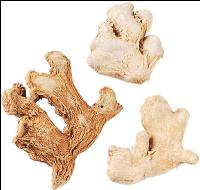
Ginger (E), Adrakh (H), Sont (H):
Ardraka means 'moist' and sunthi means' dry'. It is also known as vishwabheshaja, the universal medicine benefiting everybody and all diseases (if you can say all in Ayurveda!), especially va-ta disorders. This is the herbalist's best friend. When using ginger think 'digestion, lungs and circulation'.
Cold Clears cold; fresh increases peripheral circulation and causes vasodilation and sweating. It clears ama from plasma and blood. Fresh ginger is more peripherally active while dry ginger is more centrally stimulating and warming (Mills & Bone 2000; the volatile and diaphoretic essential oils ?-sesquipphellandrene and zingiberene decompose on drying. The warming gingerol principle transforms into shogoals on drying, making it more centrally heating). Dry ginger may be of benefit in cardiac disorders due to increasing circulation and potential bloodthinning properties when used at a high dosage Mills & Bone 2000). Arthritis Dry ginger is used as an ama-clearing, s´lesaka kaphareducing, toxin-digesting, antiinflammatory in arthritis (amavata) in many traditional ayurvedic formulas, e.g. triphala guggul, yograj guggul. Lungs Clears phlegm in kaphavata coughs and colds. Digestion Warms the digestive system, increases agni and the secretion of digestive enzymes. Fresh ginger especially benefits rasadhatvagni while dry ginger clears ama and is better for kledaka kapha aggravations. Useful in nausea (morning, postoperative, and travel sickness), flatulence, griping. Specific activity against Escherichia coli and Shigella bacillus. Gynaecology Used in menstrual cramps—hot, fresh ginger tea. Regulates vata in the apanaksetra (lower abdomen). Despite its 'warm' energy it also inhibits the activity of inflammatory prostaglandins. It is a warming anti-inflammatory. Energetically, its sweet post-digestive effect is cooling. It also nourishes the s´ukra dhatu and reproductive system as a whole.
Ardraka means 'moist' and sunthi means' dry'. It is also known as vishwabheshaja, the universal medicine benefiting everybody and all diseases (if you can say all in Ayurveda!), especially va-ta disorders. This is the herbalist's best friend. When using ginger think 'digestion, lungs and circulation'.
Cold Clears cold; fresh increases peripheral circulation and causes vasodilation and sweating. It clears ama from plasma and blood. Fresh ginger is more peripherally active while dry ginger is more centrally stimulating and warming (Mills & Bone 2000; the volatile and diaphoretic essential oils ?-sesquipphellandrene and zingiberene decompose on drying. The warming gingerol principle transforms into shogoals on drying, making it more centrally heating). Dry ginger may be of benefit in cardiac disorders due to increasing circulation and potential bloodthinning properties when used at a high dosage Mills & Bone 2000). Arthritis Dry ginger is used as an ama-clearing, s´lesaka kaphareducing, toxin-digesting, antiinflammatory in arthritis (amavata) in many traditional ayurvedic formulas, e.g. triphala guggul, yograj guggul. Lungs Clears phlegm in kaphavata coughs and colds. Digestion Warms the digestive system, increases agni and the secretion of digestive enzymes. Fresh ginger especially benefits rasadhatvagni while dry ginger clears ama and is better for kledaka kapha aggravations. Useful in nausea (morning, postoperative, and travel sickness), flatulence, griping. Specific activity against Escherichia coli and Shigella bacillus. Gynaecology Used in menstrual cramps—hot, fresh ginger tea. Regulates vata in the apanaksetra (lower abdomen). Despite its 'warm' energy it also inhibits the activity of inflammatory prostaglandins. It is a warming anti-inflammatory. Energetically, its sweet post-digestive effect is cooling. It also nourishes the s´ukra dhatu and reproductive system as a whole.
38. Gokshura
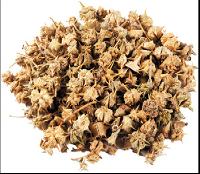
Puncture vine fruit (E), Caltrops (H), Gokhru (H):
This spiky fruit looks like the cloven hoof of a cow and hence the name go-ks.ura (cow-hoof). 'Ks.ura' also means 'scratcher' and as this thorny shrub is found growing in sandy wasteland all over the subcontinent it is responsible for scarring the hide of many a sacred cow. It is a superb diuretic that clears excess fluids from the system. Its hormonal precursor compounds actively nourish the reproductive system. It is also very useful for itchy skin, especially on the hands and feet.
Urinary (Fruit) Bladder or kidney infections, renal colic, kidney stones, urinary retention, cloudy urination, haematuria. It has a direct affinity for the mutravahasrotas, ambuvahasrotas as well as mamsa and medas-dhatu. It soothes the urinary tract membranes and promotes urination. Gokshura is specific for prostate problems, urinary retention or obstructed urinary flow. Reproductive (Aerial parts and fruit) As a tonic herb with a sweet post-digestive effect it nourishes the s´ukra dhatu increasing virility, fertility, sperm production, and lactation. It rejuvenates the reproductive system, especially the uterus and the gonads. Used in infertility and impotence where there is an obstruction due to vata or kapha in the reproductive tissue. Its saponin and flavonoid content act as hormonal precursors. Protodioscin is converted to dehydroepiandrosterone (DHEA) and thus enhances sexual function (Williamson 2002). Nerves (Fruit) Useful in all vata aggravations of the nervous system. It draws all three dosas downwards and can treat headaches, hives, itchy skin and eye inflammations. Its harmala alkaloid content has MAO inhibitor activity, which can be utilised for psychological and nervous imbalances to enhance the balance of serotonin in the brain. Skin (Fruit) Gokshura is very useful for stopping itching in the skin caused by vata or kapha obstructing the muscle, blood or plasma. A specific herb for lesions on the palms of the hands or soles of the feet.
This spiky fruit looks like the cloven hoof of a cow and hence the name go-ks.ura (cow-hoof). 'Ks.ura' also means 'scratcher' and as this thorny shrub is found growing in sandy wasteland all over the subcontinent it is responsible for scarring the hide of many a sacred cow. It is a superb diuretic that clears excess fluids from the system. Its hormonal precursor compounds actively nourish the reproductive system. It is also very useful for itchy skin, especially on the hands and feet.
Urinary (Fruit) Bladder or kidney infections, renal colic, kidney stones, urinary retention, cloudy urination, haematuria. It has a direct affinity for the mutravahasrotas, ambuvahasrotas as well as mamsa and medas-dhatu. It soothes the urinary tract membranes and promotes urination. Gokshura is specific for prostate problems, urinary retention or obstructed urinary flow. Reproductive (Aerial parts and fruit) As a tonic herb with a sweet post-digestive effect it nourishes the s´ukra dhatu increasing virility, fertility, sperm production, and lactation. It rejuvenates the reproductive system, especially the uterus and the gonads. Used in infertility and impotence where there is an obstruction due to vata or kapha in the reproductive tissue. Its saponin and flavonoid content act as hormonal precursors. Protodioscin is converted to dehydroepiandrosterone (DHEA) and thus enhances sexual function (Williamson 2002). Nerves (Fruit) Useful in all vata aggravations of the nervous system. It draws all three dosas downwards and can treat headaches, hives, itchy skin and eye inflammations. Its harmala alkaloid content has MAO inhibitor activity, which can be utilised for psychological and nervous imbalances to enhance the balance of serotonin in the brain. Skin (Fruit) Gokshura is very useful for stopping itching in the skin caused by vata or kapha obstructing the muscle, blood or plasma. A specific herb for lesions on the palms of the hands or soles of the feet.
39. Gotu Kola
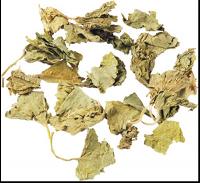
Indian pennywort (E), Gotu kola (S), Kula kudi (H):
Manduka-parni refers to its leafshape resembling the webbed feet of a frog. The leaf also looks like the cerebellum and is one of the finest examples of the 'doctrine of signatures' as gotu kola is traditionally renowned for its intellectpromoting, nervous-system soothing and general mindenhancing properties.
Nerves In conditions of stress, insomnia, epilepsy, emotional turbulence; beneficial with pitta/vata aggravation. It relaxes the central nervous system. Useful in behavioural and developmental imbalances such as autism, Asperger's syndrome or ADHD. Mind Improves concentration, intelligence, memory and alertness. Used in Alzheimer's disease, senility, stroke, and to slow ageing as it benefits sadhaka pitta which promotes intellect. It nourishes majja dhatu and this protects the brain and by reducing 'stress' it prolongs life. Skin Gotu kola is a specific herb for inflammatory skin conditions: eczema, urticaria, acne, STDs. Gotu kola balances all three dosas and has wondrous effects on the skin and bhrajaka pitta. Very useful for hastening wound healing and reducing scars. The flavonoids act as circulatory stimulants that develop the blood vessels in the skin. It increases the rate of keratinisation of the skin, which helps to strengthen the outer protective layer of the body. This points to use in skin inflammation and cellulite. The saponin content acts as a cleansing and softening agent, the oligosaccharides are moisturising and the phytosterols are protective. It is useful in external applications for hair loss via its pitta-reducing effect. Joints Traditionally used for arthritis, gout and joint inflammation. This reflects its ability to clear toxins and inflammation.
Manduka-parni refers to its leafshape resembling the webbed feet of a frog. The leaf also looks like the cerebellum and is one of the finest examples of the 'doctrine of signatures' as gotu kola is traditionally renowned for its intellectpromoting, nervous-system soothing and general mindenhancing properties.
Nerves In conditions of stress, insomnia, epilepsy, emotional turbulence; beneficial with pitta/vata aggravation. It relaxes the central nervous system. Useful in behavioural and developmental imbalances such as autism, Asperger's syndrome or ADHD. Mind Improves concentration, intelligence, memory and alertness. Used in Alzheimer's disease, senility, stroke, and to slow ageing as it benefits sadhaka pitta which promotes intellect. It nourishes majja dhatu and this protects the brain and by reducing 'stress' it prolongs life. Skin Gotu kola is a specific herb for inflammatory skin conditions: eczema, urticaria, acne, STDs. Gotu kola balances all three dosas and has wondrous effects on the skin and bhrajaka pitta. Very useful for hastening wound healing and reducing scars. The flavonoids act as circulatory stimulants that develop the blood vessels in the skin. It increases the rate of keratinisation of the skin, which helps to strengthen the outer protective layer of the body. This points to use in skin inflammation and cellulite. The saponin content acts as a cleansing and softening agent, the oligosaccharides are moisturising and the phytosterols are protective. It is useful in external applications for hair loss via its pitta-reducing effect. Joints Traditionally used for arthritis, gout and joint inflammation. This reflects its ability to clear toxins and inflammation.
40. Guduchi
Guduchi, Giloy (H):
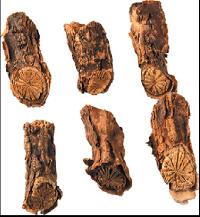
Guduchi is described as 'the one who protects the body'. 'Amr• ta' means 'divine nectar' referring to the life restoring drops that Lord Indra sprinkled from heaven to bring life back to the devotees of Lord Ra¯ma after they were slain in battle. This is a virile creeper that grows throughout the forests of India. Those growing up neem trees are said to be the best as the synergy between these two bitter plants enhances guduchi's efficacy. Its therapeutic strength lies in its rejuvenating and strengthening properties while also detoxifying and cleansing the whole system, specifically via the liver.
Liver Liver damage, viral hepatitis or poisoning from alcohol, chemicals or recreational and medicinal drugs. Useful in repairing fibrosis and regenerating liver tissue. Applied in all conditions of aggravated ran-jaka pitta and pitta in the blood. Joints Gout (vata rakta), arthritis (ama vata) and other inflammatory joint conditions. It acts by clearing pitta toxins and uric acid via the urinary system that have accumulated in raktavahasrotas. It also removes ama toxins from the system without destabilising any of the other dosa. Immunity All autoimmune diseases causing inflammation. Applicable in degenerative diseases such as cancer, AIDS and arthritis as it boosts the immune system. Use to offset the ulcerative and toxic effects of chemoradiotherapy (Thatte et al 1988). Skin Suppurative and inflammatory skin conditions such as eczema, psoriasis, systemic lupus erythematosus. Useful when there is high tejas and pitta that has burnt immune-protecting ojas away, resulting in inflammatory skin conditions. Skin problems from excessive alcohol, recreational drug and pharmaceutical drug use may indicate the use of guduchi. Specific for burning sensations on the skin (daha) (Caraka Samhita, Bhavaprakas´a). Digestion Guduchi heals a bowel affected by constipation, intestinal bleeding, haemorrhoids or dysentery. Useful at redressing intestinal floral imbalance with candida-like symptoms (krmi, grahani) such as bloating, flatulence and malabsorption. Its bitter yet heating qualities are used to stimulate raktadhatvagni and strengthen digestion in pitta types. Metabolic It regulates blood sugar levels via its direct effect on rakta and medas-dhatu thus benefiting diabetes and hypoglycaemia. Guduchi is very calming to vata and the nervous system via its unctuous nature, soothing nervous irritation. Reproductive Its ability to clear heat is applied when sexual dysfunction is caused by a hyperheat condition. It is often used in formulas for male sexual dysfunction caused by pitta imbalance as its sweet post-digestive effect nourishes s´ukra dhatu.
Guduchi is described as 'the one who protects the body'. 'Amr• ta' means 'divine nectar' referring to the life restoring drops that Lord Indra sprinkled from heaven to bring life back to the devotees of Lord Ra¯ma after they were slain in battle. This is a virile creeper that grows throughout the forests of India. Those growing up neem trees are said to be the best as the synergy between these two bitter plants enhances guduchi's efficacy. Its therapeutic strength lies in its rejuvenating and strengthening properties while also detoxifying and cleansing the whole system, specifically via the liver.
Liver Liver damage, viral hepatitis or poisoning from alcohol, chemicals or recreational and medicinal drugs. Useful in repairing fibrosis and regenerating liver tissue. Applied in all conditions of aggravated ran-jaka pitta and pitta in the blood. Joints Gout (vata rakta), arthritis (ama vata) and other inflammatory joint conditions. It acts by clearing pitta toxins and uric acid via the urinary system that have accumulated in raktavahasrotas. It also removes ama toxins from the system without destabilising any of the other dosa. Immunity All autoimmune diseases causing inflammation. Applicable in degenerative diseases such as cancer, AIDS and arthritis as it boosts the immune system. Use to offset the ulcerative and toxic effects of chemoradiotherapy (Thatte et al 1988). Skin Suppurative and inflammatory skin conditions such as eczema, psoriasis, systemic lupus erythematosus. Useful when there is high tejas and pitta that has burnt immune-protecting ojas away, resulting in inflammatory skin conditions. Skin problems from excessive alcohol, recreational drug and pharmaceutical drug use may indicate the use of guduchi. Specific for burning sensations on the skin (daha) (Caraka Samhita, Bhavaprakas´a). Digestion Guduchi heals a bowel affected by constipation, intestinal bleeding, haemorrhoids or dysentery. Useful at redressing intestinal floral imbalance with candida-like symptoms (krmi, grahani) such as bloating, flatulence and malabsorption. Its bitter yet heating qualities are used to stimulate raktadhatvagni and strengthen digestion in pitta types. Metabolic It regulates blood sugar levels via its direct effect on rakta and medas-dhatu thus benefiting diabetes and hypoglycaemia. Guduchi is very calming to vata and the nervous system via its unctuous nature, soothing nervous irritation. Reproductive Its ability to clear heat is applied when sexual dysfunction is caused by a hyperheat condition. It is often used in formulas for male sexual dysfunction caused by pitta imbalance as its sweet post-digestive effect nourishes s´ukra dhatu.