Ayurvedic Medicine
11. Bala

Indian country mallow (E):
Bala means 'strength'. Its stem and roots are tough and this is literally what they impart—inner strength. It is a nourishing tonic, especially for nervous conditions.
Urinary Cystitis, stones, infection, haematuria, polyuria, urgency; high pitta and vata in mutravahasrotas . Nerves Pain, neuralgia, sciatica, paralysis and neurosis; all structural and nervous disorders with high vata. It is an excellent energy tonic when there is exhaustion due to an aggravated nervous system. An external oil massage using warm bala siddha taila is commonly used for these conditions along with internal treatment . Reproductive Infertility, leucorrhoea and apanaksetra congestion along with reproductive weakness (´sukraksaya). Bala is a renowned energy tonic that enhances sexual potency and ojas. Used to aid the growth of the fetus and keep the mother strong. Lungs Dry cough, asthma, tuberculosis and haemoptysis; vata–pitta disorders of the lungs. The low levels of ephedrine help to bronchodilate constriction and prevent wheezing and restricted breathing. Fever High temperature from an underlying deficiency and weakness. Heart Bala is a great heart tonic used for treating arrhythmia, tachycardia, irregular pulse and palpitations. As it benefits both mamsa dhatu and mamsavahasrotas it can be used to strengthen the heart muscle.
Bala means 'strength'. Its stem and roots are tough and this is literally what they impart—inner strength. It is a nourishing tonic, especially for nervous conditions.
Urinary Cystitis, stones, infection, haematuria, polyuria, urgency; high pitta and vata in mutravahasrotas . Nerves Pain, neuralgia, sciatica, paralysis and neurosis; all structural and nervous disorders with high vata. It is an excellent energy tonic when there is exhaustion due to an aggravated nervous system. An external oil massage using warm bala siddha taila is commonly used for these conditions along with internal treatment . Reproductive Infertility, leucorrhoea and apanaksetra congestion along with reproductive weakness (´sukraksaya). Bala is a renowned energy tonic that enhances sexual potency and ojas. Used to aid the growth of the fetus and keep the mother strong. Lungs Dry cough, asthma, tuberculosis and haemoptysis; vata–pitta disorders of the lungs. The low levels of ephedrine help to bronchodilate constriction and prevent wheezing and restricted breathing. Fever High temperature from an underlying deficiency and weakness. Heart Bala is a great heart tonic used for treating arrhythmia, tachycardia, irregular pulse and palpitations. As it benefits both mamsa dhatu and mamsavahasrotas it can be used to strengthen the heart muscle.
12. Bhallataka

Marking nut (E), Bhilawa (H):
Bhallataka means 'like a spear', attesting to its ability to penetrate deeply into the tissues and rejuvenate the body. It benefits digestion, lung weakness and arthritis. It is a specific rejuvenating tonic for the reproductive system.
Digestion It strongly increases the appetite and treats conditions caused by low digestive fire; piles, diarrhoea, worms and colitis. Its ability to clear ama helps to clear the srotas. Piles Alleviates vata and kapha types of haemorrhoids. It goes directly to the root cause of the disease as it rectifies the digestive fire. Lungs Helps to clear coughing and wheezing from high vata and kapha. Arthritis As a specific medicine for vata it helps to treat nervous disorders and degeneration of the joints. Reproduction It is a specific tonic to male fertility as it increases semen production. As it helps to treat premature ejaculation and seminal leakage it also treats incontinence and unrestrained urinary dribbles . Skin It is very beneficial for vitiligo and other skin diseases affecting pigmentation (.
Bhallataka means 'like a spear', attesting to its ability to penetrate deeply into the tissues and rejuvenate the body. It benefits digestion, lung weakness and arthritis. It is a specific rejuvenating tonic for the reproductive system.
Digestion It strongly increases the appetite and treats conditions caused by low digestive fire; piles, diarrhoea, worms and colitis. Its ability to clear ama helps to clear the srotas. Piles Alleviates vata and kapha types of haemorrhoids. It goes directly to the root cause of the disease as it rectifies the digestive fire. Lungs Helps to clear coughing and wheezing from high vata and kapha. Arthritis As a specific medicine for vata it helps to treat nervous disorders and degeneration of the joints. Reproduction It is a specific tonic to male fertility as it increases semen production. As it helps to treat premature ejaculation and seminal leakage it also treats incontinence and unrestrained urinary dribbles . Skin It is very beneficial for vitiligo and other skin diseases affecting pigmentation (.
13. Bhringaraja

Eclipta (E), Bhangra (H):
Bhringaraja oil is a famous hair tonic for maintaining dark hair and reversing baldness. It is often translated as 'king of the hair', but literally means 'bee ruler'. It is decocted in coconut oil and as this is a 'cooling' oil it is used externally for 'hot' and inflammatory head problems such as headaches, sinusitis and ear infections. The herb also benefits heat problems.
Head Premature greying of hair, alopecia and early baldness are often classified as a pitta imbalance caused by pitta literally 'burning' the hair follicle. Eclipta clears pitta and especially from the head. It also benefits loose teeth, hearing problems, dizziness, vertigo (vata problems in the head). It is restorative to asthi dhatu (bone) tissue imbalances. It tonifies vata and therefore by strengthening, it reduces excess vata. Bhringaraja prepared oil also dissolves obstructions in the sinuses, nose, ears and head; use as nose and ear drops . Liver Cirrhosis, hepatitis; it clears ran˜jaka pitta from its site and protects the liver. It increases bile flow and helps restore appetite. The blood is treated via its beneficial effect on liver function. It actually helps to build blood, strengthen rakta dhatu and reduce anaemia. Combined with a capillary-strengthening action this can prevent high blood pressure caused by pitta and vata. It also benefits the eyes and treats conjunctivitis, styes and redness. Nerves Insomnia and mental agitation from high pitta and vata. It calms stress and reduces tension by tonifying majja dhatu. Bhringaraja increases blood and nourishes the brain . Skin Bhringaraja treats skin conditions via the nervous system and the liver, helping to allay itching and inflammation; urticaria, eczema and ringworm caused by aggravations of the rasa and rakta dhatu are treated. It also helps to recolour the skin after depigmentation . Lungs Its pungency can help alleviate mucus and treat asthma and bronchitis. Reproduction Its rasayana properties rejuvenate deficiencies in s´ukra dhatu, helping to build sperm quality and quantity. The seeds especially are used for this. Gynaecology It helps to prevent excessive uterine bleeding by clearing pitta from the artavahasrotas and uterus.
Bhringaraja oil is a famous hair tonic for maintaining dark hair and reversing baldness. It is often translated as 'king of the hair', but literally means 'bee ruler'. It is decocted in coconut oil and as this is a 'cooling' oil it is used externally for 'hot' and inflammatory head problems such as headaches, sinusitis and ear infections. The herb also benefits heat problems.
Head Premature greying of hair, alopecia and early baldness are often classified as a pitta imbalance caused by pitta literally 'burning' the hair follicle. Eclipta clears pitta and especially from the head. It also benefits loose teeth, hearing problems, dizziness, vertigo (vata problems in the head). It is restorative to asthi dhatu (bone) tissue imbalances. It tonifies vata and therefore by strengthening, it reduces excess vata. Bhringaraja prepared oil also dissolves obstructions in the sinuses, nose, ears and head; use as nose and ear drops . Liver Cirrhosis, hepatitis; it clears ran˜jaka pitta from its site and protects the liver. It increases bile flow and helps restore appetite. The blood is treated via its beneficial effect on liver function. It actually helps to build blood, strengthen rakta dhatu and reduce anaemia. Combined with a capillary-strengthening action this can prevent high blood pressure caused by pitta and vata. It also benefits the eyes and treats conjunctivitis, styes and redness. Nerves Insomnia and mental agitation from high pitta and vata. It calms stress and reduces tension by tonifying majja dhatu. Bhringaraja increases blood and nourishes the brain . Skin Bhringaraja treats skin conditions via the nervous system and the liver, helping to allay itching and inflammation; urticaria, eczema and ringworm caused by aggravations of the rasa and rakta dhatu are treated. It also helps to recolour the skin after depigmentation . Lungs Its pungency can help alleviate mucus and treat asthma and bronchitis. Reproduction Its rasayana properties rejuvenate deficiencies in s´ukra dhatu, helping to build sperm quality and quantity. The seeds especially are used for this. Gynaecology It helps to prevent excessive uterine bleeding by clearing pitta from the artavahasrotas and uterus.
14. Bhumiamalaki
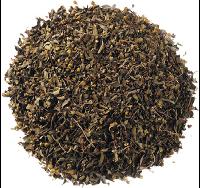
Phyllanthus (E), Stone breaker (E):
This is a very bitter-tasting small shrub that literally means 'the amalaki of the earth' as this very low-lying shrub's leaves resemble the pattern and shape of her somewhat grander celestial namesake. Amalaki (Emblica officinalis) is referred to in some books as Phyllanthus emblica. Bhumiamalaki is a wonderful liver remedy that is also effective for clearing gall and bladder stones.
Liver Its affinity for balancing ran˜jaka pitta treats viral hepatitis, chronic hepatitis and it acts as a cholagogue. It is also useful for clearing and preventing gallstones. Human clinical trials attest to the improvement in liver function and alleviation of hepatitis symptoms. Digestion Its ability to clear aggravated pacaka pitta benefits digestive tract disorders with hyperacidity, inflammation and dysentery (Paranjape 2001). Skin Used where the liver is the root of the skin inflammation . It is also applied externally for skin heat, swelling and itching. Immunity May be of use in impaired immune disorders; especially viral conditions such as myalgic encephalomyelitis (ME), HIV, flu, herpes (Mehrotra et al 1991). Gynaecology Used in menorrhagia from high pitta. It clears inflammatory heat from the lower abdomen and this reduces congestion, leucorrhoea and painful urination. Urine It effectively clears stones and gravel from the urinary system. It may have a use in managing diabetes and reducing blood sugar levels.
This is a very bitter-tasting small shrub that literally means 'the amalaki of the earth' as this very low-lying shrub's leaves resemble the pattern and shape of her somewhat grander celestial namesake. Amalaki (Emblica officinalis) is referred to in some books as Phyllanthus emblica. Bhumiamalaki is a wonderful liver remedy that is also effective for clearing gall and bladder stones.
Liver Its affinity for balancing ran˜jaka pitta treats viral hepatitis, chronic hepatitis and it acts as a cholagogue. It is also useful for clearing and preventing gallstones. Human clinical trials attest to the improvement in liver function and alleviation of hepatitis symptoms. Digestion Its ability to clear aggravated pacaka pitta benefits digestive tract disorders with hyperacidity, inflammation and dysentery (Paranjape 2001). Skin Used where the liver is the root of the skin inflammation . It is also applied externally for skin heat, swelling and itching. Immunity May be of use in impaired immune disorders; especially viral conditions such as myalgic encephalomyelitis (ME), HIV, flu, herpes (Mehrotra et al 1991). Gynaecology Used in menorrhagia from high pitta. It clears inflammatory heat from the lower abdomen and this reduces congestion, leucorrhoea and painful urination. Urine It effectively clears stones and gravel from the urinary system. It may have a use in managing diabetes and reducing blood sugar levels.
15. Bibhitaki

Beleric myrobalan (E), Baheda (H):
Bibhitaki is the 'one who keeps you away from disease' as it is literally 'fearless' of all diseases. This small, dry fruit has a specific drying, astringing and strengthening action on the mucous membranes throughout the body, especially in the lungs, intestines and urinary system.
Lungs Asthma, bronchitis, cough, laryngitis with high avalambaka kapha, obstructing the flow of prana in the lungs. Where there is copious, white or clear phlegm, bibhitaki can help to clear and dry this congestion . Also used to soothe a sore throat when mixed with honey and also used as a gargle. Head It has a particular affinity for the upper body and head. It clears congestion from the eyes, ears, nose and throat. Also indicated for helping to maintain hair growth. Digestion Diarrhoea, colitis, Crohn's disease, intestinal inflammation and parasites with pitta–kapha problems. It has a dual action of being both astringent and laxative that helps to increase peristalsis as well as strengthen the mucous membranes of the colon. The unripe fruits have a stronger laxative action and the ripe fruits are more astringent . Urine Bladder stones, cloudy urine due to kapha urinary aggravation with obstructions in the medas-dhatu . It has the ability to clear all kapha accumulations. Nerves Insomnia; its astringent nature can hold rising vata down in the lower abdomen and prevent it from irritating the sensitive nerves of the head. It also nourishes majja dhatu, which helps to prevent frazzled nerves. Heart Its cardiac glycoside content and ability to reduce stagnant kapha indicates its use for cardiac congestion and insufficiency (Williamson 2002).
Bibhitaki is the 'one who keeps you away from disease' as it is literally 'fearless' of all diseases. This small, dry fruit has a specific drying, astringing and strengthening action on the mucous membranes throughout the body, especially in the lungs, intestines and urinary system.
Lungs Asthma, bronchitis, cough, laryngitis with high avalambaka kapha, obstructing the flow of prana in the lungs. Where there is copious, white or clear phlegm, bibhitaki can help to clear and dry this congestion . Also used to soothe a sore throat when mixed with honey and also used as a gargle. Head It has a particular affinity for the upper body and head. It clears congestion from the eyes, ears, nose and throat. Also indicated for helping to maintain hair growth. Digestion Diarrhoea, colitis, Crohn's disease, intestinal inflammation and parasites with pitta–kapha problems. It has a dual action of being both astringent and laxative that helps to increase peristalsis as well as strengthen the mucous membranes of the colon. The unripe fruits have a stronger laxative action and the ripe fruits are more astringent . Urine Bladder stones, cloudy urine due to kapha urinary aggravation with obstructions in the medas-dhatu . It has the ability to clear all kapha accumulations. Nerves Insomnia; its astringent nature can hold rising vata down in the lower abdomen and prevent it from irritating the sensitive nerves of the head. It also nourishes majja dhatu, which helps to prevent frazzled nerves. Heart Its cardiac glycoside content and ability to reduce stagnant kapha indicates its use for cardiac congestion and insufficiency (Williamson 2002).
16. Bilva

Bael fruit (E), Bengal quince (E), wood apple tree (E), Bel (H):
This fruit is a fantastic remedy for the digestive system. Sacred to Lord Shiva, it destroys weakness in the intestines. The dried immature part is used for diarrhoea while the mature, fresh fruit is more laxative.
Digestion Immature dried bilva is a specific herb for chronic irritable bowel syndrome (IBS), diarrhoea, dysentery, and malabsorption that manifests as longterm imbalances with 'mucusy' and watery stools. Its astringency checks the excessive downwards movement of vata. It also dries the excess mucus and ama that comes with high kapha aggravations (Bhavapraka´sha). It is a good choice where there may be ulceration and inflammation of the mucous membranes in the intestines; ulcers, colitis, Crohn's disease. The fresh fruit is more of a laxative used in summer to cool the system. It is very heavy to digest and should only be taken in small amounts.
This fruit is a fantastic remedy for the digestive system. Sacred to Lord Shiva, it destroys weakness in the intestines. The dried immature part is used for diarrhoea while the mature, fresh fruit is more laxative.
Digestion Immature dried bilva is a specific herb for chronic irritable bowel syndrome (IBS), diarrhoea, dysentery, and malabsorption that manifests as longterm imbalances with 'mucusy' and watery stools. Its astringency checks the excessive downwards movement of vata. It also dries the excess mucus and ama that comes with high kapha aggravations (Bhavapraka´sha). It is a good choice where there may be ulceration and inflammation of the mucous membranes in the intestines; ulcers, colitis, Crohn's disease. The fresh fruit is more of a laxative used in summer to cool the system. It is very heavy to digest and should only be taken in small amounts.
17. Brahmi

Bacopa (E), Herpestis (E),:
Brahman is the Hindu name given to the universal consciousness and Brahma is the divinity responsible for all 'creative' forces in the world. Brahmi literally means the 'energy or shakti of Brahman (i.e. Sarasvati). With brahmi deriving its name from these roots it has a lot to live up to. And it does! Its mind enhancing and nervous system soothing effects are legendary.
Brain Brahmi helps to improve memory, learning ability and concentration. It is used in mental disorders, epilepsy (apasmara), mania and hysteria (unmada). It specifically enhances the quality of sadhaka pitta and this directly influences the nature of consciousness. Nerves Used to aid recovery from exhaustion, stress and debility with aggravation of vata. A specific herb for all conditions with a deficient majja dhatu. Consider using in Parkinson's disease, Alzheimer's disease, dementia, ADHD, Asperger's syndrome, autism, depression and drug addiction. Brahmi is very useful in skin conditions with an underlying nervous imbalance . It also benefits tension throughout the system helping to ease constipation from stress, relax muscle tightness and alleviate menstrual pain. It is commonly used to treat insomnia. Urinary It can cool the heat of cystitis and pain of dysuria by guiding pitta out of the mutravahasrota. External As a medicated oil it is a neuralgic in joint pain. Used as a head rub for headaches and to clear the mind. It is also used as a brain tonic to strengthen the memory and encourage hair growth.
Brahman is the Hindu name given to the universal consciousness and Brahma is the divinity responsible for all 'creative' forces in the world. Brahmi literally means the 'energy or shakti of Brahman (i.e. Sarasvati). With brahmi deriving its name from these roots it has a lot to live up to. And it does! Its mind enhancing and nervous system soothing effects are legendary.
Brain Brahmi helps to improve memory, learning ability and concentration. It is used in mental disorders, epilepsy (apasmara), mania and hysteria (unmada). It specifically enhances the quality of sadhaka pitta and this directly influences the nature of consciousness. Nerves Used to aid recovery from exhaustion, stress and debility with aggravation of vata. A specific herb for all conditions with a deficient majja dhatu. Consider using in Parkinson's disease, Alzheimer's disease, dementia, ADHD, Asperger's syndrome, autism, depression and drug addiction. Brahmi is very useful in skin conditions with an underlying nervous imbalance . It also benefits tension throughout the system helping to ease constipation from stress, relax muscle tightness and alleviate menstrual pain. It is commonly used to treat insomnia. Urinary It can cool the heat of cystitis and pain of dysuria by guiding pitta out of the mutravahasrota. External As a medicated oil it is a neuralgic in joint pain. Used as a head rub for headaches and to clear the mind. It is also used as a brain tonic to strengthen the memory and encourage hair growth.
18. Cardamom

Cardamom (E), Elaichi (H):
These aromatic seed pods are filled with soothing, relaxing and antispasmodic essential oils. A premium digestive aid and mucus reducer.
Digestion Specifically in weak digestion, borborygmus, bloating, flatulence, colic, intestinal pain and indigestion. Cardamom stimulates agni without aggravating pitta and clears excess kledaka kapha from the stomach. Being anuloma it helps to regulate samana vayu and direct apana vayu downwards; hence beneficial for nausea, vomiting, morning sickness, burping and acidity . Lungs Cough with mucus and asthma with wheezing; it clears avalambaka kapha and regulates vata. Good for sore throats and freshens the breath. Urine Recommended for painful, burning urination (mutrakr. cchra) and aggravated vata in the lower abdomen .
These aromatic seed pods are filled with soothing, relaxing and antispasmodic essential oils. A premium digestive aid and mucus reducer.
Digestion Specifically in weak digestion, borborygmus, bloating, flatulence, colic, intestinal pain and indigestion. Cardamom stimulates agni without aggravating pitta and clears excess kledaka kapha from the stomach. Being anuloma it helps to regulate samana vayu and direct apana vayu downwards; hence beneficial for nausea, vomiting, morning sickness, burping and acidity . Lungs Cough with mucus and asthma with wheezing; it clears avalambaka kapha and regulates vata. Good for sore throats and freshens the breath. Urine Recommended for painful, burning urination (mutrakr. cchra) and aggravated vata in the lower abdomen .
19. Castor
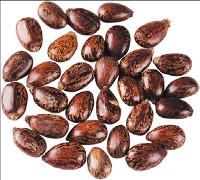
Castor oil (E), Rendi (H):
Castor oil is considered the king of medicinals for curing va¯ta and arthritic diseases. It is warm, oily, heavy, and acts as a laxative.
Digestion In mild to moderate constipation, castor oil acts as an osmotic laxative. It holds water in the intestines and causes a total cleansing of the large intestine. This can flush pitta and kapha from the system. Its effect is very dose-dependent and can range from cathartic to aperient. As an emollient it lubricates the dryness of vata and recorrects the flow of apana vayu downwards. It can be included as part of a treatment for piles . Arthritis Traditionally used for all conditions where both ama and vata mix. This manifests as pain, swelling, deformations of the joints and bones. The oil is externally applied, and taken internally for sciatica, arthritis, gout, and paralysis. Lumps An external application is used to clear all accumulations and palpable lumps. Apply a hot fomentation over the breast, liver, abdomen or pelvis for any cyst, inflammation, tumour or lump. Eyes The oil is put into the eyes to treat styes, conjunctivitis and foreign objects in the eyes. Skin It is considered beneficial as an external application for warts and fungal infections of the skin and nails. Very useful as an emollient to treat dry skin conditions such as psoriasis and eczema.
Castor oil is considered the king of medicinals for curing va¯ta and arthritic diseases. It is warm, oily, heavy, and acts as a laxative.
Digestion In mild to moderate constipation, castor oil acts as an osmotic laxative. It holds water in the intestines and causes a total cleansing of the large intestine. This can flush pitta and kapha from the system. Its effect is very dose-dependent and can range from cathartic to aperient. As an emollient it lubricates the dryness of vata and recorrects the flow of apana vayu downwards. It can be included as part of a treatment for piles . Arthritis Traditionally used for all conditions where both ama and vata mix. This manifests as pain, swelling, deformations of the joints and bones. The oil is externally applied, and taken internally for sciatica, arthritis, gout, and paralysis. Lumps An external application is used to clear all accumulations and palpable lumps. Apply a hot fomentation over the breast, liver, abdomen or pelvis for any cyst, inflammation, tumour or lump. Eyes The oil is put into the eyes to treat styes, conjunctivitis and foreign objects in the eyes. Skin It is considered beneficial as an external application for warts and fungal infections of the skin and nails. Very useful as an emollient to treat dry skin conditions such as psoriasis and eczema.
20. Chiretta

White chiretta (E), Chiretta (H):
This is an especially bitter herb that is renowned for cleansing the blood and liver of inflammation and high pitta. Chiretta is derived from 'kira-ta' meaning bitter.
Digestion Inflammatory digestive conditions, hyperacidity, bleeding piles and worms. It clears amapitta from the intestines as it acts as a mild laxative. As it stimulates the liver it can stimulate the appetite. This has a beneficial effect on rasa dhatu as it is formed as a by-product of food (ahararasa); well-digested, good-quality food creates a healthy rasa dhatu. Skin Any skin problems with signs of heat, redness, inflammation, itching, burning may indicate the use of chiretta . It clears waste toxins from the blood, thus purifying rasa and rakta dhatu. Fever Used in fevers caused by all three dosas and when aggravated by sweating and thirst. Chiretta clears the ama and toxins that cause the fever and is a specific for malaria .
This is an especially bitter herb that is renowned for cleansing the blood and liver of inflammation and high pitta. Chiretta is derived from 'kira-ta' meaning bitter.
Digestion Inflammatory digestive conditions, hyperacidity, bleeding piles and worms. It clears amapitta from the intestines as it acts as a mild laxative. As it stimulates the liver it can stimulate the appetite. This has a beneficial effect on rasa dhatu as it is formed as a by-product of food (ahararasa); well-digested, good-quality food creates a healthy rasa dhatu. Skin Any skin problems with signs of heat, redness, inflammation, itching, burning may indicate the use of chiretta . It clears waste toxins from the blood, thus purifying rasa and rakta dhatu. Fever Used in fevers caused by all three dosas and when aggravated by sweating and thirst. Chiretta clears the ama and toxins that cause the fever and is a specific for malaria .