Benefits of Capers
31. Cooking with capers

The salted and pickled caper bud (called simply a caper) is often used as a seasoning or garnish. Capers are a common ingredient in Mediterranean cuisine, especially Cypriot, Italian, and Maltese. The mature fruit of the caper shrub are prepared similarly and marketed as caper berries.
32. Leaves and flower buds
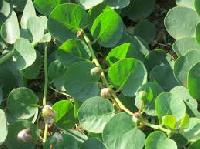
The shrubby plant is many branched, with alternate leaves, thick and shiny, round to ovate in shape. The flowers are complete, sweetly fragrant, and showy, with four sepals and four white to pinkish white petals, and many long violet colored stamens, and a single stigma usually rising well above the stamens.
33. Capers can be grown easily
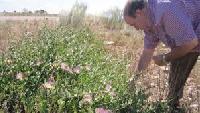
Capers can be grown easily from fresh seeds gathered from ripe fruit and planted into well drained seed raising mix. Seedlings appear in two to four weeks. Old, stored seeds enter a state of dormancy and require cold stratification to germinate. The viable embryos germinate within three to four days after partial removal of the lignified seed coats. The seed coats and the mucilage surrounding the seeds may be ecological adaptations to avoid water loss and conserve seed viability during the dry season.
34. Capers are a distinctive ingredient in Italian cuisine

Capers are a distinctive ingredient in Italian cuisine, especially in Sicilian and southern Italian cooking. They are commonly used in salads, pasta salads, meat dishes, and pasta sauces. Examples of uses in Italian cuisine are chicken piccata and spaghetti alla puttanesca. Capers are known for being one of the ingredients of tartar sauce. They are often served with cold smoked salmon or cured salmon dishes (especially lox and cream cheese). Capers and caper berries are sometimes substituted for olives to garnish a martini.
35. Serving Tips
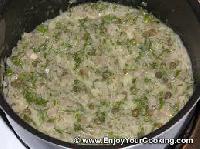
Use capers in your salads mix a tablespoon of the buds with spinach, sliced hard boiled egg and lemon vinaigrette for a nutritious and flavorful dish. Add capers to your casseroles or pastas, or top tofu or chicken cacciatore with a tablespoon of capers to enhance flavor.
36. Capers nutrition facts
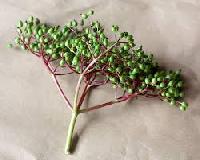
Unique, piquant flavored capers are flowering buds of a low growing caper shrub. The buds, indeed, are one of the most desired ingredients in the kitchens all around the Mediterranean basin. The spice buds botanically belong to the family of Capparaceae, in the genus: Capparis. Scientific name: Capparis spinosa. The plant is a spiny, trailing, deciduous shrub native to the Mediterranean. It prefers warm humid climate and grows in abundance all over the Cyprus, Italy, Greece,
37. Safety profile
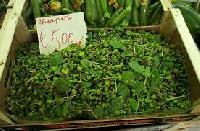
Capers are safe to use in cooking. Their use may be limited in pregnancy. Patients undergoing any surgical intervention may have to avoid them as they act as blood thinner and may result in excessive bleeding. Caper leaves, which are hard to find outside of Greece or Cyprus, are used particularly in salads and fish dishes. They are pickled or boiled and preserved in jars with brine
38. Capers are the unripe flower buds of Capparis spinosa
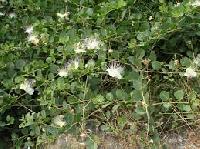
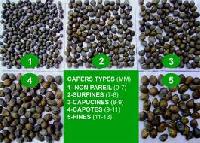
Capers are the unripe flower buds of Capparis spinosa. They are also called Flinders rose. Capers are perennial winter deciduous plants which are native to the Mediterranean and some parts of Asia and South Africa. capers are categorized and sold by their size in the markets. Smaller sized buds are more valuable than large ones. Non pareil and surfines are some small buds while capucines, capotes and grusas are sold as big sized ones.
39. Antioxidant Powers
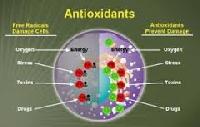
Capers are rich in flavonoid compounds including rutin and quercetin. Both these compounds are potent sources of antioxidants. Antioxidants are known to prevent free radical, which can cause cancer and skin related diseases. Rutin helps in smooth circulation of blood and it can be very helpful in treating strained blood vessels. Recent research reveals quercetin has analgesic, anti inflammatory, antibacterial and anti carcinogenic properties.
40. Mineral Mine
Capers contain minerals like iron, calcium, copper and high levels of sodium. Calcium helps in building strong bones, and teeth. Copper combines with certain proteins to produce enzymes that act as catalyst to help a number of body functions. Iron helps our muscle to store and use oxygen. It is a part of many enzymes that help our body to digest food.