Benefits of Grapefruits
11. Grapefruits Naringenin Repairs DNA

Naringenin, a flavonoid concentrated in grapefruit, helps repair damaged DNA in human prostate cancer cells (cell line LNCaP), reports a lab study published in theJournal of Nutritional Biochemistry.The risk of prostate cancer, the most commonly diagnosed cancer in men in the U.S, increases with age since the older we become, the more times our cells have divided and the greater the chance for DNA mutations to occur.
12. How to Select

A good grapefruit doesnt have to be perfect in color. Skin discoloration, scratches or scales may affect the appearance of a grapefruit, but they do not impact the taste or texture quality.Signs of decay include an overly soft spot at the stem end of the fruit and areas that appear water soaked. These forms of decay usually translate into poor taste
13. Tips for Preparing Grapefruit

Grapefruits should be rinsed under cool water before consuming, even though you will probably not be eating the peel, since cutting into an unwashed fruit may transfer dirt or bacteria that may reside on the skins surface to the edible flesh. Grapefruits are usually eaten fresh by slicing the fruit horizontally and scooping out sections of the halves with a spoon.
14. Grapefruit and Drug Interactions

Check with your healthcare practitioner about consuming grapefruit juice if youre taking pharmaceutical drugs. Certain pharmaceutical drugs combined with grapefruit juice become more potent. Compounds in grapefruit juice, including naringenin, slow the normal detoxification and metabolism processes in the intestines and liver, which hinders the bodys ability to breakdown and eliminate these drugs.
15. Nutritional Profile

Grapefruit is an excellent source of vitamin A (in the form of carotenoids) and vitamin C. It is also a good source of pantothenic acid, copper, dietary fiber, potassium, biotin, and vitamin B1. Grapefruit also contains phytochemicals including liminoids and lycopene.
16. InDepth Nutritional Profile
the nutrients highlighted in our ratings chart, an indepth nutritional profile forGrapefruitis also available. This profile includes information on a full array of nutrients, including carbohydrates, sugar, soluble and insoluble fiber, sodium, vitamins, minerals, fatty acids, amino acids and more.
17. Grapefruit Helps in Losing Weight

Grapefruit is high in enzymes that burn fats, has high water content and has less sodium. A combination of these three characteristics make grapefruit a perfect food for increasing your bodys metabolism. Try eating grapefruit or drinking grapefruit juice every day and you will notice how quickly you lose those extra pounds.
18. Prevents Arthritis and Works as an Antiseptic

Grapefruit contains salicylic acid that helps break down the bodys inorganic calcium, which builds up in the cartilage of joints and may lead to arthritis. If you have arthritis, try drinking grapefruit juice with apple cider vinegar. You will notice a reduction in your arthritissymptoms.
19. Grapefruit Helps in Cancer Prevention

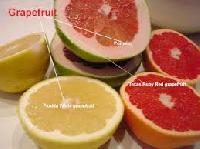
Lycopene is a carotenoid pigment that is responsible for the red color of grapefruit. It is a powerful agent against tumors and cancers as it acts as a scavenger of cancercausing free radicals. Lycopene works best with vitamins A and C, which are also found in grapefruit.
20. Grapefruit Treats Common Ailments

Eating grapefruit or drinking its juice helps treat commoncold and fever, dissolve gallstones, boost liver function and enhance immunity against infections. As grapefruit contains a dietary fiber called pectin, it thus promotes better digestion. In addition, if you want to have a healthy and smooth skin, try including grapefruit in your diet.