Arvind Kejriwal
Arvind Kejriwal is an Indian politician, social activist and former Indian Revenue Service officer w
21. Magsaysay man

Kejriwal was at an RTI event in 2006 the day he got to know he had been awarded the years Magsaysay Award. He had spoken nonstop, engaging students and activists to file RTI applications when his phone rang. He took the call and later informed a colleague he had received the prestigious award. Moments later, he was back at what he was doing, normal as ever.
22. Surprise treats

Kejriwal is known to perk up the mood of his officewallahs with impromptu treats of patties or ice cream for the entire staff. He takes time out to chat with people and doesnt let phone calls break the conversation.
23. Blunt talker
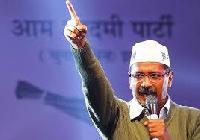
Delhis CM in waiting has been provocative and outspoken in front of TV cameras, unbelievably blunt at times. Senior colleagues such as Prashant Bhushan have been seen straining and trying their best to rein him in. The Kejriwal of the early days and the man now are somewhat different, he appears a lot more restrained and mellowed.
24. Movie buff

Though he has hardly got any time with his family the last year, Kejriwal said in an interview he liked to take his kids to watch films. He is a fan of Aamir Khan and admires his work and enjoys comedies as well.
25. A regular student
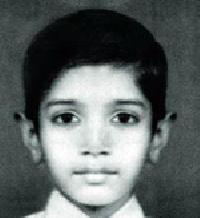
His IIT batchmates say his foray into activism and politics was a bolt out of the blue for them. In his college days, Kejriwal never professed an interest in either going out with friends to play cards or for a round of drinks. Friends remember him as being more interested in theatre than academics.
26. Friends network

His close friends from college days helped him raise loans to reimburse the government when he took his voluntary retirement from the civil service after he had taken two years paid study leave. In fact, its his friends reportedly who pitched in with Rs 25,000 every month for a living so he could continue his fight against corruption. Kejriwal said the remaining expenses were borne by wife Sunita, an additional commissioner in the income tax department.
27. Steel worker

Once out of IIT Kharagpur, Kejriwal joined Tata Steel in Jamshedpur, and apparently liked the job. He admired the hard work and sincerity the workers displayed. He served the company for three years and returned to Delhi because he wanted to take the civil services exam. His dream was to join the police service, but he qualified for Indian Revenue Service.
28. Jan Lokpal movement

In 2010, Kejriwal protested against corruption in the Commonwealth Games. He argued that the Central Vigilance Commission CVC did not have any powers to take any action against the guilty, while CBI was incapable of launching an unbiased investigation against the ministers who controlled it. He advocated appointment of public ombudsman Lokpal at the Centre and Lokayuktas in states.In 2011, Kejriwal joined several other activists, including Anna Hazare and Kiran Bedi, to form the India Against Corruption IAC group. The IAC demanded enactment of the Jan Lokpal Bill, which would result in a strong ombudsman. The campaign evolved into the 2011 Indian anti corruption movement. In response to the campaign, the governments advisory body the National Advisory Council drafted a Lokpal Bill. However, the NACs Bill was criticized by Kejriwal and other activists on the grounds that it did not have enough powers to take action against the prime minister, other corrupt officeholders and the judiciary. The activists also criticized the procedure for selection of Lokpal, the transparency clauses and the proposal to disallow the Lokpal from taking cognizance of public grievances.Amid continuing protests, the Government constituted a committee to Draft a Jan Lokpal Bill. Kejriwal was one of the civil society representative members of this committee. However, he alleged that the IAC activists had an unequal position in the committee, and the government appointees kept ignoring their recommendations. The Government argued that the activists could not be allowed to blackmail the elected representatives through protests. Kejriwal retorted that democratically elected representatives could not be allowed to function like dictators, and asked for a public debate on the contentious issues.
29. Establishment of AAP
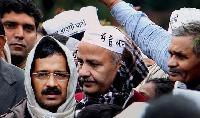
One of the major criticisms directed at the Jan Lokpal activists was that they had no right to dictate terms to the elected representatives. As a result, Kejriwal and other activists decided to enter politics and contest elections.In November 2012, they formally launched the Aam Aadmi Party; Kejriwal was elected as the partys National Convener. The party name reflects the phrase Aam Aadmi, or common man, whose interests Kejriwal proposed to represent.The establishment of AAP caused a rift between Kejriwal and Hazare.AAP decided to contest the Delhi Legislative Assembly election, 2013, with Kejriwal contesting against the incumbent Chief Minister Sheila Dikshit. Kejriwal became the fifth most mentioned Indian politician on social media channels in the run up to the elections.
30. 2014 national elections
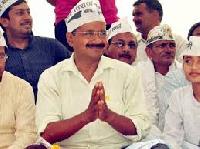
Kejriwal said in January, prior to his resignation as chief minister, that he would not contest a seat in the 2014 Lok Sabha elections.He claimed party members persuaded him to change his mind,and on 25 March, he agreed to contest against the BJP prime ministerial candidate, Narendra Modi,[48] from Varanasi,but lost the election.