Benefits of Rosemary
21. Excellent source

This herb is an excellent source of iron, contains 6.65 mg/100 g of fresh leaves (about 83% of RDA). Iron, being a component of hemoglobin inside the red blood cells, determines the oxygen-carrying capacity of the blood.
22. Rosemary herb parts

Rosemary herb parts, whether fresh or dried, are rich source of minerals like potassium, calcium, iron, manganese, copper, and magnesium. Potassium is an important component of cell and body fluids, which helps control heart rate and blood pressure. Manganese is used by the body as a co-factor for the antioxidant enzyme, superoxide dismutase.
23. Selection and storage
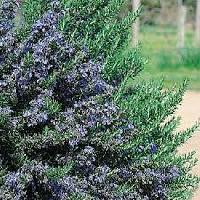
Rosemary is generally grown as a garden herb so that its fresh leaves are readily available for use whenever the need arises.Fresh rosemary herb should be stored in the refrigerator inside plastic bags. Dried rosemary should be kept in an airtight container and placed in a cool, dark, and dry place where it will keep fresh for several months.
24. Culinary uses

Wash fresh leaves in cold running water or rinse for few minutes to remove any dust or pesticide residues. In order to keep the fragrance and flavor intact, the herb is generally added to cooking recipes at the last moments, since prolonged cooking would result in the evaporation of its essential oils.
25. Medicinal uses of Rosemary
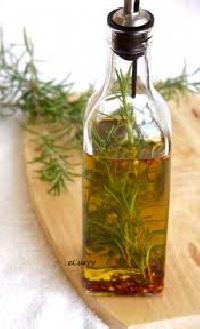
Rosmarinic acid, a natural polyphenolic antioxidant found in rosemary, has been found to have anti-bacterial, anti-inflammatory, and anti-oxidant functions. Apart from the rosemary, other popular herbs like Sage, peppermint, oregano, thyme herbs also contain appreciable levels of rosmarinic acid.Rosemary oil which is distilled from the flowering tops contains volatile essential oil such as camphene, cineol, borneol, bornyl acetate and other esters. These compounds are known to have tonic, astringent, diaphoretic, and stimulant properties.
26. Safety profile

Rosemary herb might cause abortion in pregnant woman when eaten in large amounts. Further, in some rare cases, rosemary oil products may cause allergic skin reactions. In toxic doses, rosemary has been found to cause kidney dysfunction, and might exacerbate existing neurological conditions like epilepsy, neuroses, etc.
27. Nutrition facts

Rosemary herb is the perfect potherb to have in your kitchen garden. The plant is one of the recognized herbs for its note-worthy health benefiting phyto-nutrients, anti-oxidants, and essential acids.Rosemary flourishes in well-drained, alkaline soil. It prefers sunny condition and needs protection shelter from gusty winds. The plant reaches about 1.5-3 meters in height. Its bushy stems and downy young shoots are covered with about 1 inch long, narrow, needle-like aromatic leaves; dark green above and grayish underneath. The plant bears short racemes of small sea blue flowers appearing in early summer.
28. Rosemary infused oil
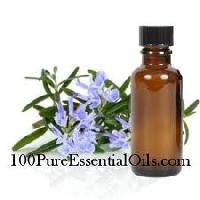
Rosemary infused oil is an intensive treatment for bad dandruff of hair loss and can be rubbed on hair, left for at least an hour and washed out- this really improves scalp condition!
29. Rosemary Antioxidant Extract

Rosemary Antioxidant Extract is a very effective natural preservative that can extend the shelf life of homemade lotions, cosmetics or other homemade body products.
30. Miscellaneous uses

Rosemary is a known antimicrobial agent. The powdered leaves are used as an effective natural flea and tick repellent. Rosemary oil possesses marked antibacterial, antifungal, and antiviral properties. Rosemary oil was found to be most active against meat-spoiling bacteria. A report on the use of rosemary to treat head lice found it to be ineffective.